How Much Cash Do You Need Beyond Your Down Payment?
How Much Cash Do You Need Beyond Your Down Payment to Buy a Home in California?
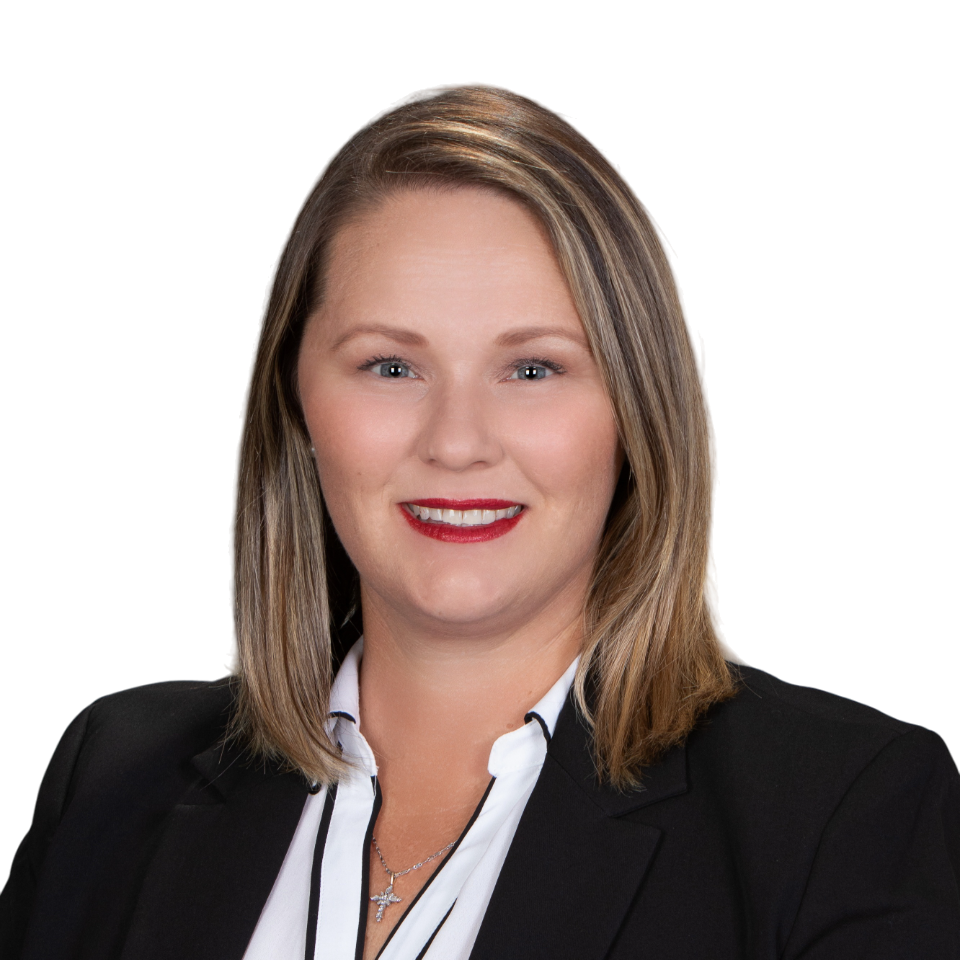
By Michelle Saporito | Your Central Valley Realtor
Quick Answer: Your down payment isn't the only money you'll need when buying a home. You'll also need to plan for closing costs, inspections, prepaid expenses, moving costs, and savings for unexpected repairs. According to the Consumer Financial Protection Bureau (CFPB), closing costs typically range from 2% to 5% of the purchase price, in addition to your down payment.
If you're planning to buy your first home in Manteca, Ripon, Lathrop, River Islands, Tracy, or the surrounding Central Valley, understanding these expenses early can help you make a more confident decision.
One of the first things I want buyers to understand is that the purchase price and down payment only tell part of the story.
You also need to know how much money you'll need throughout the transaction and how much you'll have left after receiving your keys.
Let's break it down.
1. Your Down Payment Is Just the Beginning
Let's say you've been saving for a home priced at $700,000.
If your loan program allows a 5% down payment, that would be $35,000.
But does that mean you only need $35,000 to buy the home?
Not necessarily.
You'll also need to account for closing costs and other expenses.
Here is a hypothetical example:
Expense | Estimated Amount |
|---|---|
Home purchase price | $700,000 |
Down payment (5%) | $35,000 |
Closing costs (3% assumption) | $21,000 |
Total down payment and closing costs | $56,000 |
In this example, you would need approximately $56,000 for the down payment and closing costs before accounting for any applicable credits, assistance, or adjustments.
The $21,000 closing-cost figure is an illustration, not a lender estimate. Your actual costs could be higher or lower.
The important thing to remember is that you don't want to use every dollar you've saved just to get into the home.
You also want to be financially prepared for what comes afterward.
2. What Are Closing Costs?
Closing costs are expenses associated with obtaining your mortgage and transferring ownership of the property.
They can include several different charges.
Lender Fees
Depending on your loan, you may see charges for loan origination, underwriting, processing, or mortgage discount points.
Discount points are optional in some financing scenarios and are typically paid to obtain a lower mortgage interest rate.
Appraisal
Your lender may require an appraisal to help determine whether the property's value supports the loan.
The appraisal protects the lender's interest in the property. It doesn't replace a home inspection.
Escrow and Title Services
These expenses may include escrow services, title-related fees, title insurance, and document preparation.
The exact charges and how they're allocated between buyer and seller depend on the transaction and agreement.
Recording and Government Fees
Certain documents must be recorded with the county.
Depending on the transaction, recording charges and other government-related costs may apply.
Prepaid Expenses
Some money collected at closing covers future expenses rather than services already performed.
This can include:
Homeowners insurance premiums
Prepaid mortgage interest
Property tax deposits
Initial escrow account funding
Your lender's Loan Estimate should help you understand these charges.
My advice: Ask your lender for a detailed explanation of the total cash you'll need, not just a down payment number.
3. What Is Earnest Money, and Is It an Extra Cost?
When your offer is accepted, you may be required to make an earnest money deposit.
This is money deposited according to the purchase agreement to demonstrate your commitment to the transaction.
The amount and timing depend on the contract.
Here's something important:
Your earnest money deposit is generally credited toward the money you're required to contribute at closing.
For example, suppose your estimated down payment and closing costs total $56,000.
If you've already deposited $10,000 in earnest money, that deposit would typically be applied toward your required funds.
In that simplified scenario, your remaining cash to close would be approximately $46,000.
That doesn't mean the deposit is an additional $10,000 expense on top of the $56,000.
However, your final cash-to-close amount can change based on prorations, fees, credits, and other adjustments.
Also, earnest money isn't automatically refundable in every situation. Your rights and obligations depend on the purchase agreement and applicable contingencies.
Before you make an offer, make sure you understand the deposit requirements.
4. Don't Forget About Home Inspections
When buying a home, I encourage buyers to understand the property's condition before making a final decision.
A general home inspection can help identify visible concerns and areas that may need additional evaluation.
Depending on the property, you might also consider specialized inspections.
These could include:
Roof inspection
Pest or wood-destroying organism inspection
HVAC evaluation
Sewer or plumbing inspection
Pool inspection, if applicable
Not every home needs every specialized inspection.
Your actual inspection costs will depend on the services ordered, property, provider, and transaction terms.
Some inspection fees may need to be paid before closing, so it's important to plan for them separately.
And remember, even a thorough inspection cannot identify every potential problem.
5. What About Property Taxes in Manteca, Ripon, or Lathrop?
Property taxes are another important expense to understand.
In California, a change in ownership generally results in a reassessment of the property for tax purposes, unless an exclusion applies.
That means the property tax amount currently associated with a home may not reflect what you'll pay after purchasing it.
In some communities, you may also encounter special taxes or assessments, including Mello-Roos.
These charges can affect your monthly housing budget.
Supplemental Property Tax Bills
California may issue a supplemental property tax bill following a qualifying change in ownership.
This bill is separate from the regular annual property tax bill and reflects the assessment adjustment for the applicable period.
Depending on the timing, more than one supplemental bill may be issued.
That's why I encourage buyers to ask questions about taxes before writing an offer.
For a property you're considering, you'll want to understand:
The estimated taxes based on your purchase
Whether Mello-Roos or other special assessments apply
Whether there is an HOA
Whether a supplemental tax bill may arrive after closing
Whether your mortgage escrow account will cover particular tax payments
A tax bill is not necessarily the same thing as a closing cost. Some expenses arise after you take ownership.
Your lender, county tax offices, and escrow professional can help clarify the amounts and timing for the particular property.
6. What About HOA Fees?
Some Central Valley communities have homeowners associations.
If you're considering a property with an HOA, ask about more than just the monthly dues.
Depending on the association, there may be transfer charges, document fees, initiation or capital contributions, and other requirements.
You should also review the governing documents, financial information, and any available disclosures concerning assessments.
The important thing is to understand both what you're paying and what those payments cover.
HOA costs can vary by property and community.
Don't assume two homes in the same city will have the same expenses.
7. Can the Seller Help Pay Your Closing Costs?
Sometimes, yes.
This is one reason I want buyers to understand that negotiating a home purchase involves more than just the purchase price.
Depending on the seller's willingness and the financing rules, you may be able to request a seller credit toward eligible closing costs.
For example, imagine your estimated closing costs are $21,000.
You request a $7,000 seller credit.
If the seller agrees and your lender permits it, the amount you'd need to cover toward those eligible closing costs could be reduced to $14,000.
This is only an illustration.
Seller credits have financing restrictions, cannot necessarily cover every expense, and generally cannot substitute for your required down payment.
New-construction builders may also offer financing incentives or closing cost contributions.
But don't assume an advertised incentive is automatically the best financial option.
Ask your lender to compare the total loan costs, monthly payments, and cash to close.
The goal isn't simply to negotiate something. It's to understand whether the terms actually help you.
8. What About Down Payment Assistance?
Depending on your income, financing, eligibility, and program availability, you may qualify for down payment or closing cost assistance.
Some assistance programs involve grants, while others involve loans that may have repayment requirements.
Program rules can change.
Before counting on assistance, ask an approved participating lender to confirm:
Whether the program is currently accepting applications
Whether you're eligible
Which property types qualify
How much assistance is available
Whether repayment is required
How the assistance affects your mortgage and closing costs
Don't base your entire buying budget on an assistance program until the details are confirmed.
9. How Much Should You Have Left After Closing?
This is one of the most important conversations to have before buying.
Just because you can afford the down payment and closing costs doesn't necessarily mean you'll feel comfortable afterward.
Think about the expenses that come with moving into your first home.
You might need:
Moving services or truck rental
Utility deposits or setup fees
Window coverings
Appliances not included in the sale
Yard equipment
Furniture
Repairs or maintenance
Emergency savings
The CFPB recommends considering an emergency cushion, with three to six months of expenses as a general rule of thumb.
Your personal needs may be different.
A buyer with an older home, variable income, or significant upcoming expenses may want to plan differently from a buyer purchasing a newer home with a stable income.
I encourage buyers to think about what will help them feel financially comfortable after closing, not just on closing day.
10. How to Figure Out Your Actual Cash-to-Close Number
Before you begin seriously shopping for homes, ask your lender for a Loan Estimate based on the financing you're considering.
Review the section labeled "Estimated Cash to Close."
It accounts for items such as your down payment, closing costs, deposit, seller credits, and other adjustments.
As your transaction progresses, you'll receive a Closing Disclosure with the final or near-final figures.
Don't assume the original estimate will remain unchanged.
Your cash-to-close amount can change due to adjustments in loan terms, fees, credits, and other transaction details.
I recommend asking your lender and escrow professional to walk you through the figures rather than trying to interpret everything on your own.
11. Five Questions to Ask Before Shopping for Homes
If you're preparing to buy your first home, these are questions worth answering early.
1. How much can I comfortably afford to spend upfront?
Not just your down payment, but your total purchase expenses.
2. How much cash will I need before closing?
Ask about earnest money, inspection fees, appraisal charges, and other possible advance payments.
3. What is my estimated cash to close?
Have your lender explain the amount and what could cause it to change.
4. What will the home cost me every month?
Look beyond principal and interest. Include taxes, insurance, mortgage insurance if applicable, HOA dues, and special assessments.
5. How much savings do I want left after getting the keys?
Think about your comfort level, responsibilities, and unexpected expenses.
These questions can help you prepare before you find a home you love.
Frequently Asked Questions
How much are closing costs on a $700,000 home in California?
Using the CFPB's general 2% to 5% planning range, closing costs on a $700,000 home could be approximately $14,000 to $35,000, excluding the down payment. Actual costs depend on your lender, loan, property, and transaction.
Is earnest money part of my down payment?
Earnest money is typically credited toward the buyer's required funds at closing, which may include the down payment and closing costs. It isn't ordinarily an extra fee on top of the total purchase expenses.
Do first-time buyers have to put 20% down?
No. Some mortgage programs allow smaller down payments for eligible borrowers. The required amount depends on the loan program, qualifications, and property.
Can I roll closing costs into my mortgage?
Sometimes certain costs can be addressed through lender credits, seller contributions, or other permitted financing arrangements. But you shouldn't assume every closing expense can be financed. Ask your lender about the options available for your loan.
Do I need money for property taxes after closing?
Possibly. California supplemental property tax bills may be issued after a change in ownership. Regular tax payments and special assessments also need to be budgeted. Ask how your lender handles escrowed taxes and which bills remain your responsibility.
Can I negotiate closing costs with the seller?
You can request a seller contribution toward eligible closing costs. Whether the seller agrees depends on the negotiation, and any credit must comply with your financing requirements.
The Bottom Line
If you're saving to buy your first home in the Central Valley, I want you to remember one thing:
Being ready to buy means understanding more than just the down payment.
You want to know how much money you'll need before closing, what you'll bring to closing, what your monthly expenses may be, and how much savings you'll have left.
Buying your first home is an exciting milestone.
Whether you're looking for a backyard, more space, a shorter commute, or simply a place that feels like yours, being financially prepared can help you move forward with greater confidence.
You don't need to have every answer before starting the conversation.
That's what I'm here to help you work through.
If you're considering buying in Manteca, Ripon, Lathrop, River Islands, Tracy, or the surrounding Central Valley, I'd be happy to help you understand the process and explore your next steps.
How can I be of service?
Reach out for a conversation about your homebuying goals.
Michelle Saporito
Your Central Valley Realtor
eXp Realty of Northern California, Inc.
DRE #02239654
Phone: 209-328-3417
Website: https://buycentralvalley.com
Helping families put down roots in the communities they love, one home, one story, one community at a time.
Sources and Further Reading
Consumer Financial Protection Bureau: Determine Your Down Payment
Consumer Financial Protection Bureau: Loan Estimate Explainer
Consumer Financial Protection Bureau: Closing Disclosure Explainer
Fannie Mae Selling Guide: Interested Party Contributions
California State Board of Equalization: Supplemental Assessments
This article provides general educational information. Loan terms, program availability, taxes, transaction costs, and eligibility vary. Consult your lender, escrow professional, and relevant agencies for transaction-specific details.